

Hair Care Methods
Is It Hair Shedding or Hair Loss? 6 Ways to Know What’s Happening to Your Hair

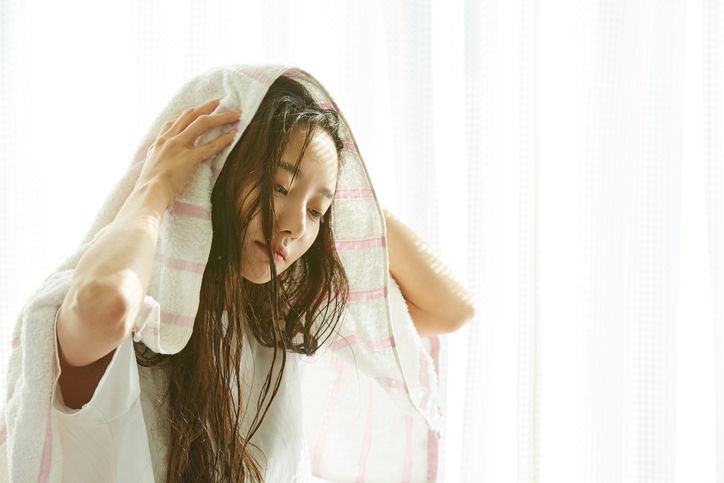
7 Common Hair Habits That Lead to Scalp Acne, Breakouts, and Clogged Hair Follicles
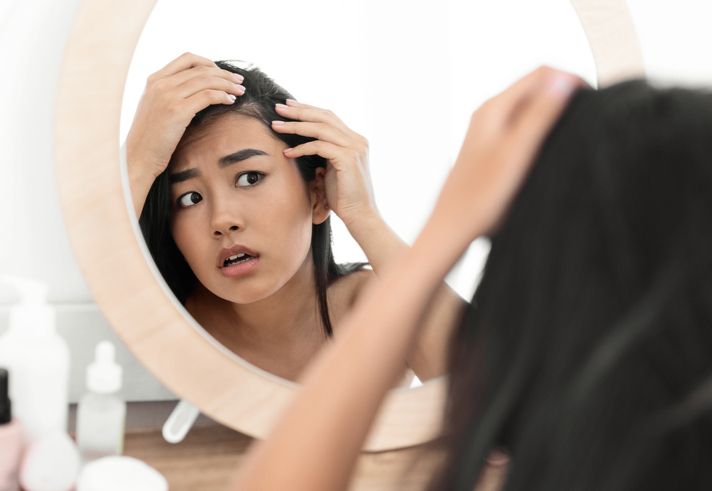
Your daily hair care routine plays a bigger role in scalp health than you might think. Certain habits—like using strong shampoos too often, piling on heavy hair products, or skipping a rinse after workouts—can lead to clogged pores and acne breakouts along the scalp. Add in things like not cleaning your brush or washing your hair incorrectly, and the buildup can trigger scalp pimples, irritation, and painful bumps. A lot of this comes down to how hair products, dead skin cells, and excess oil affect your hair follicles and sebaceous glands. These are common causes behind scalp acne symptoms like inflamed or swollen bumps, oily hair, or scaly patches. And if these issues aren’t handled properly, they can lead to persistent acne, scalp folliculitis, or even hair loss over time. Spotting the causes early can make a real difference in preventing scalp acne. Keep reading to learn what habits might be working against you—and how to change them without overcomplicating your hair care routine.
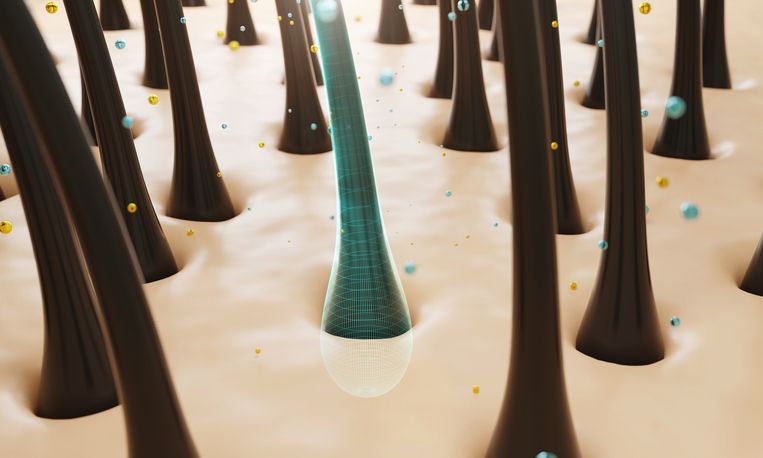
How Can You Make Your Hair Grow Faster by Doing These 10 Things & Eating These 10 Foods
Everyone wants their hair to be long, beautiful, and healthy. But not everyone is lucky enough to have hair that grows on its own. If you have trouble with your hair falling out or growing slowly, this article is for you!
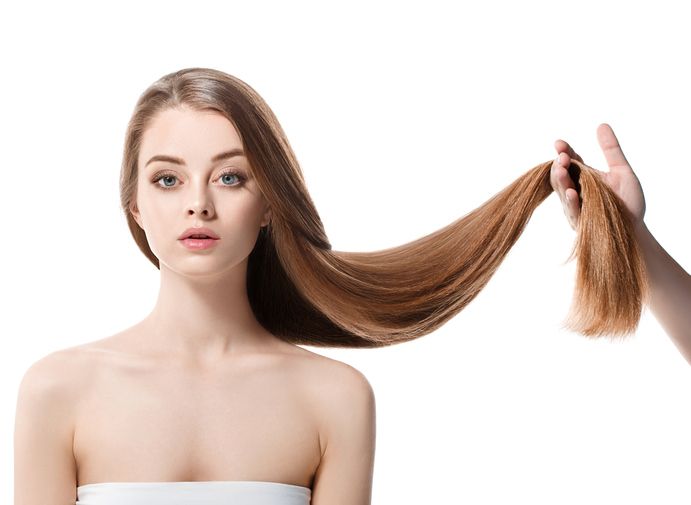
Hair loss, can be temporary or permanent and can affect just your scalp or the entirety of your body. It may be brought on by genes, hormonal changes, illnesses, or simply ageing. Consulting a doctor about your hair loss's cause and treatment options prior to beginning any regimen can be really helpful.

Saw Palmetto For Hair Loss? Find Out What's The Latest Solution To Reduce Hair Fall
Saw palmetto is a plant that Native Americans have used for hundreds of years to help their health in many ways. Some people think it can stop or cure hair loss, especially in men and women with androgenic alopecia, which is also called male and female pattern baldness. But there isn't enough scientific proof to back up this claim, and saw palmetto may not be the best way to stop hair loss.
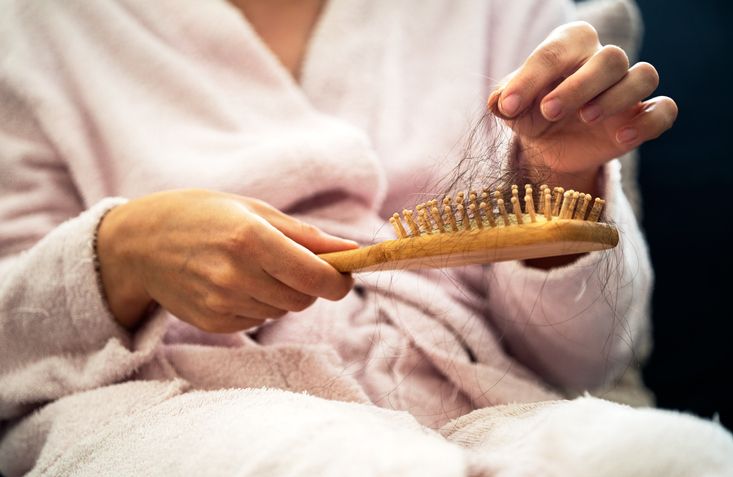
Hair loss (alopecia) is a common condition that occurs among older men and women but it also can affect younger people including children. This condition may affect just your scalp or even your entire body and in some cases its effect can be temporary or permanent. The average number of hair to lose can be between 50 and 100 hairs a day. With 100,000 hairs on your head, the small hair loss isn't that visible. It typically replaces the lost hair with new hair but this doesn't always happen. Hair loss happens gradually over the years or it can happen suddenly. It totally depends on the cause of hair loss, which may be temporary or permanent. There can be many reasons why someone is experiencing hair loss. For example it can be because of the hormonal changes one is going through or it can be because of a medical condition . When it comes to hair loss, anyone can experience it but it seems to be more common among men. Hereditary hair loss with age seems to be the most common cause for baldness. Baldness refers to excessive hair loss from your scalp. There can be people who let the hair loss untreated and some may cover it up with certain hairstyles, makeups or hats. While, some still choose treatments that are available to prevent further hair loss or restore the growth. If you are unaware why you are losing hair or not sure about the underlying cause, it is recommended to consult a doctor who can massively help you in this topic. Before pursuing the hair loss treatment, talk with your doctor about the signs and symptoms of your hair loss because it can help the doctor to come up with the right treatment for you. Now keep on reading for more information about hair loss and ways to prevent it.
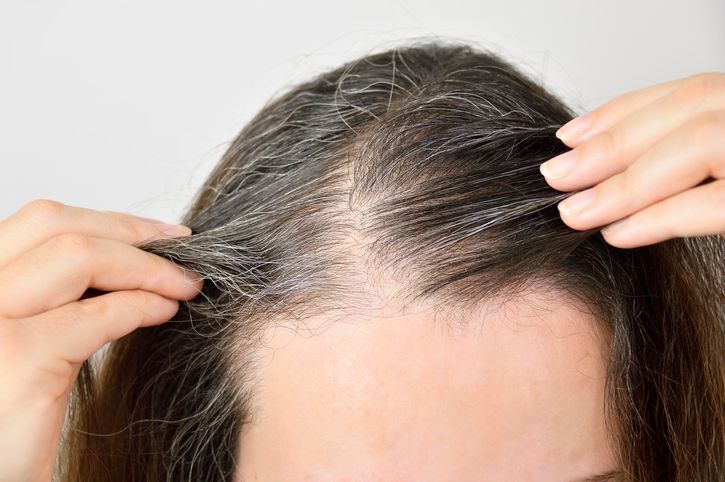
How To Make Your Hair Grow Faster: Follow these hair growth tips!
Beautiful thick hair is lovely, but it requires a lot of work. You may spend a lot of money on synthetic hair or go through a treatment to promote the hair growth process. Either way, you need to have determination and patience to see the results.
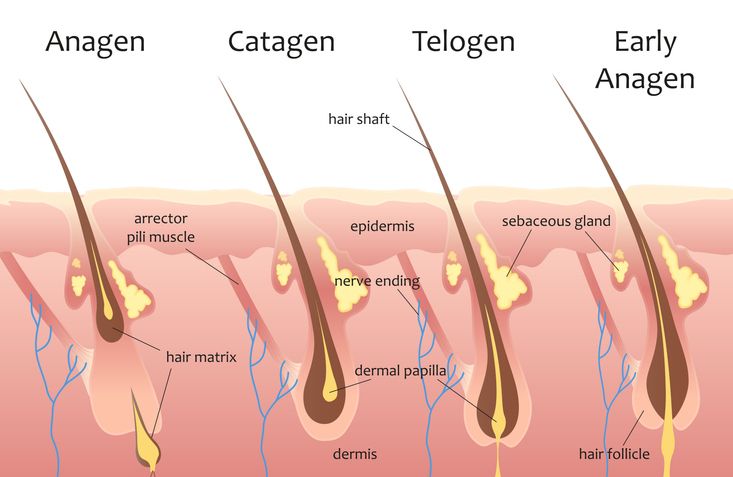
Are you losing so much hair in the shower? - Find the cause now!
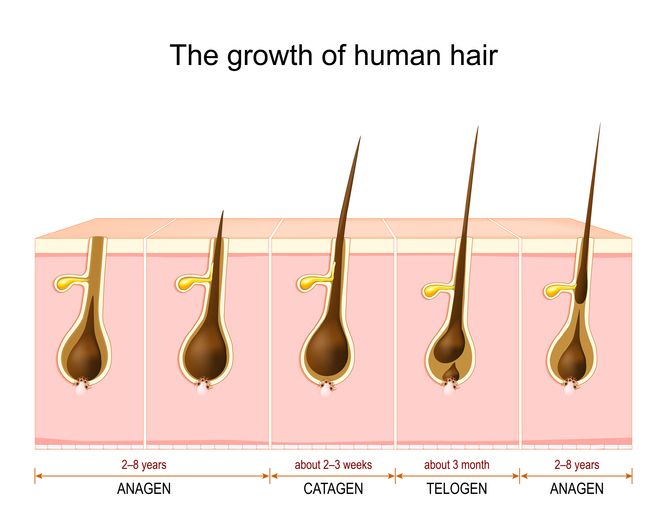
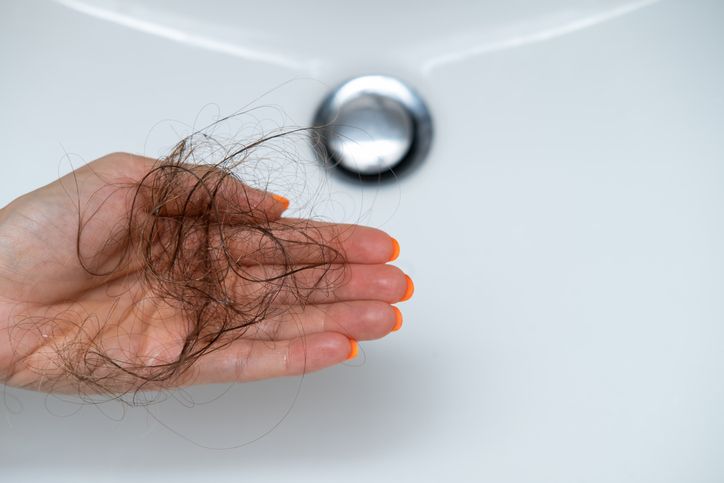
It's completely normal to lose what looks like a lot of hair when you shower. Whether you believe it or not, strands clinging to your fingers and hair sitting in the drain are a natural part of the hair growth cycle. Alt text: Hair fall in shower drain https://www.istockphoto.com/photo/woman-removing-hair-clump-from-the-shower-drain-gm1199272417-343055635?phrase=shower%20hair%20loss How much hair falling is normal in the shower? The truth is, a certain amount of hair loss in the shower is totally normal. However, if you’re losing more hair than the usual amount, it may be time to pay extra attention to your strands and consult with your doctor.
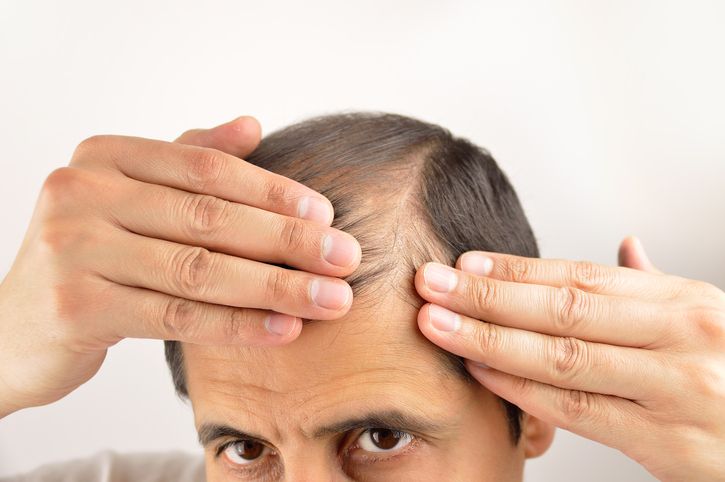
Are you looking for ways to help cure your hair loss? If so, you're not alone. Hair loss is a common issue that affects many people, and can be caused by a variety of factors. Luckily, there are several tips and tricks that you can use to help reduce and potentially eliminate your hair loss. In this blog post, we'll discuss five tips to help you cure your hair loss along with our hair loss treatment from New Beauty.
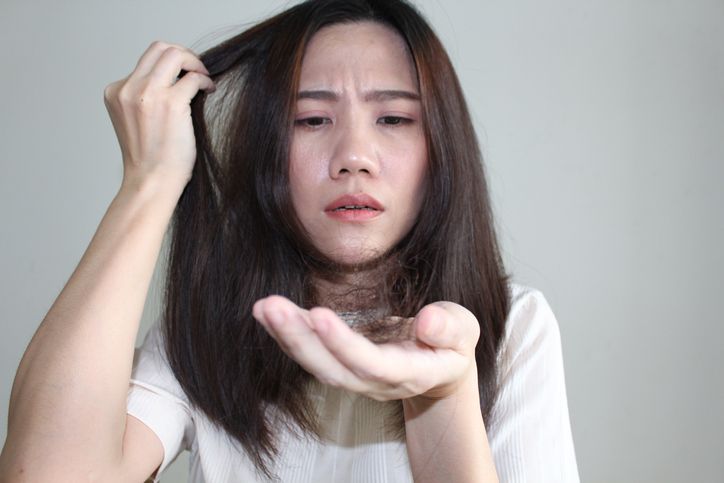
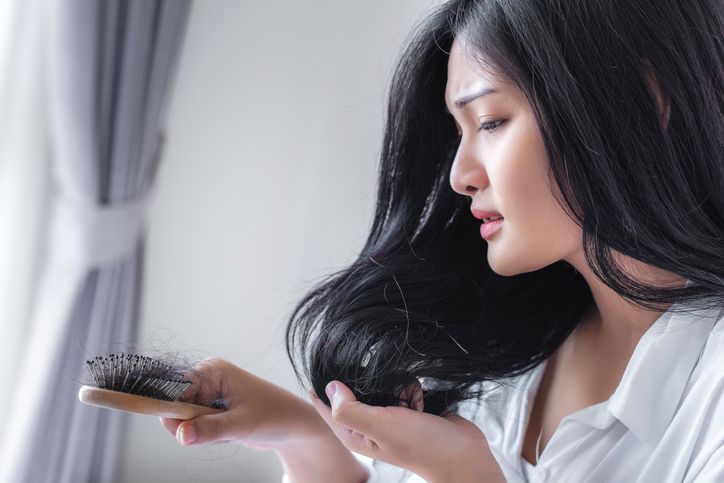
Do you have trouble with your hair getting thinner? Does it worry you when you see a lot of hair in the shower or on your hairbrush? Losing hair can be upsetting for both men and women, affecting their sense of self-worth and well-being as a whole. There are solutions, though, and shampoos for hair loss are becoming more and more common. Before getting into what hair loss products can do for you, it's important to know what causes it. Hair loss can be caused by many things, such as genes, hormonal imbalances, conditions on the head, and not getting enough nutrients. Even though some things that cause hair loss are out of our control, there are things we can do to handle and treat it.


Recommended Articles

Latest Article

COPYRIGHT© NEW BEAUTY MANAGEMENT LIMITED 2026. ALL RIGHT RESERVED.